Epic Battles of Gladiator (2000): The Best First Reactions to Russell Crowe |
Exploring the visceral impact of Russell Crowe's portrayal in Gladiator's legendary combat scenes |
Jan 10, 2026

 |
Experiencing Gladiator (2000) for the first time is a cinematic journey that leaves audiences in awe.
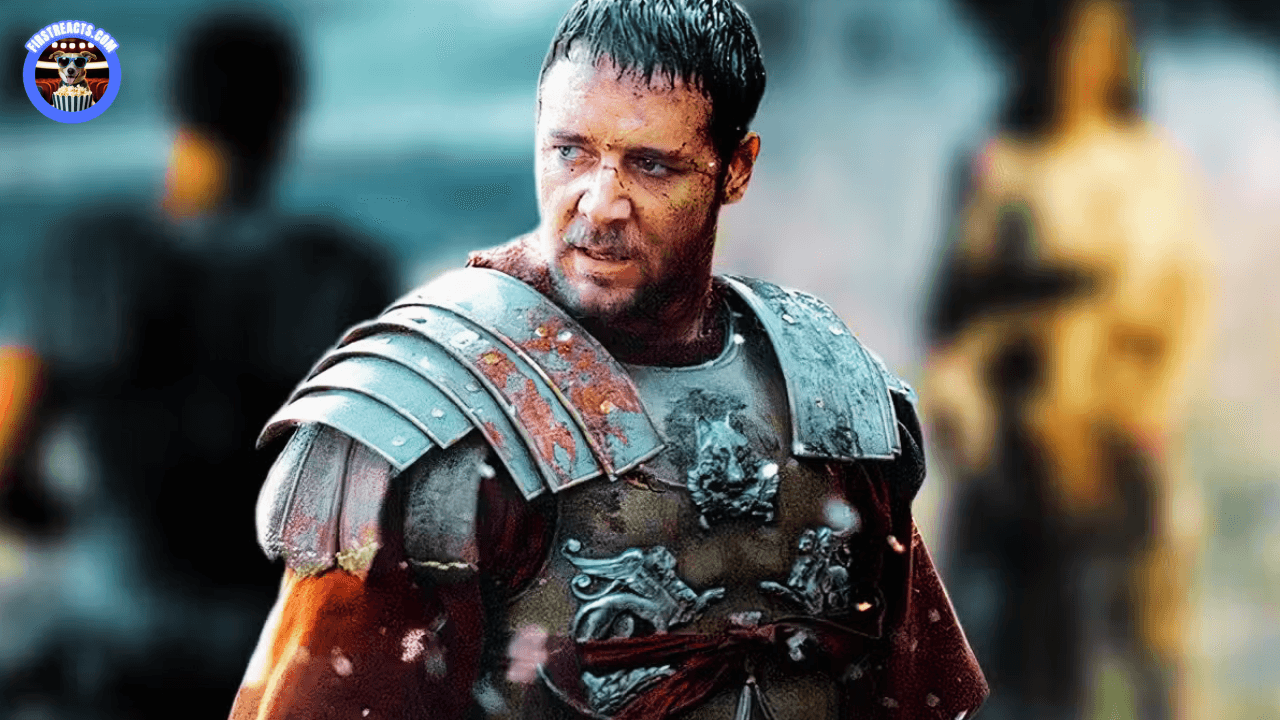
Russell Crowe's portrayal of Maximus Decimus Meridius delivers battle sequences that have captivated viewers for over two decades.
Let's delve into the most electrifying moments from these legendary combat scenes, highlighting the strategic brilliance, emotional intensity, and visual spectacle that define Gladiator's epic battles.
The Battle of Carthage: A Military Masterpiece
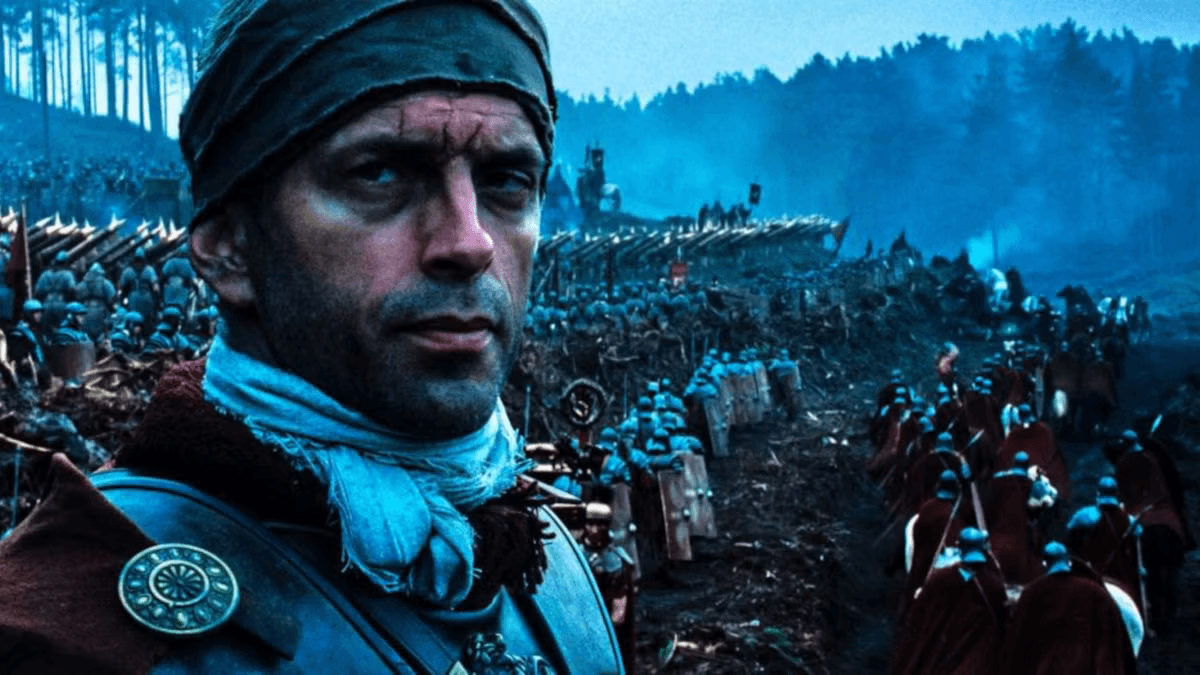
The opening scenes establish Maximus as a highly respected military commander orchestrating complex battlefield tactics.
His calculated decisions, from catapult positioning to cavalry deployment, demonstrate why he's considered Rome's greatest general.
The tension builds as soldiers await orders, culminating in one of cinema's most powerful pre-battle speeches.
The moment General Lucilla orders the catapults unleashed represents a turning point in Gladiator's battle sequence.
The scale of destruction, combined with the visceral choreography of Roman soldiers clashing with Germanic barbarians, creates an overwhelming sensory experience.
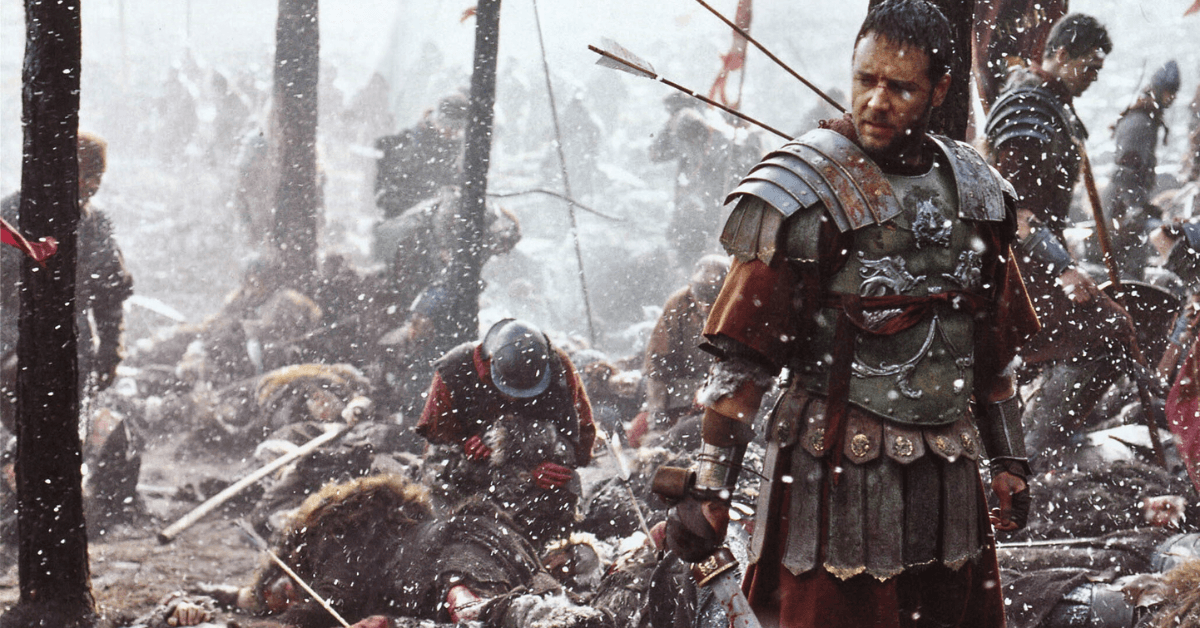
The combination of arrows, javelins, and hand-to-hand combat illustrates the brutal reality of ancient warfare.
One of the most strategically impressive moments involves the cavalry's devastating flanking maneuver.
The enemy forces, caught between advancing infantry and charging horsemen, face complete encirclement.
This tactical execution showcases the Roman military's superiority and the film's commitment to depicting realistic ancient combat strategies.
The Arena: Where Legends Are Made
The arena introduces a different kind of battle—one where Maximus must fight not just for survival, but against a system designed to control him.
His refusal to salute the emperor demonstrates his character's unwavering honor, setting the stage for his legendary rise from slave to champion.
When the emperor unleashes the barbarians with chariot-mounted opponents, Gladiator escalates its action sequences to unprecedented heights.
The chariots, equipped with spinning blades, present a new tactical challenge.
Maximus's command to his fellow gladiators—"Whatever comes out of these gates, we've got a better chance of survival if we work together"—emphasizes teamwork over individual glory.
The gladiators quickly adapt from individual fighters to coordinated warriors.
Their strategy of working together against superior forces demonstrates the same military intelligence Maximus displayed as a general.
The fluid choreography and strategic positioning create one of cinema's most compelling combat sequences.
Iconic Dialogue and Emotional Resonance
This legendary pre-battle speech encapsulates Gladiator's themes of mortality, legacy, and honor.
The vivid imagery—"Find yourself alone riding in green fields with the sun on your face", contrasts sharply with the brutal reality of warfare, creating an emotional depth that elevates the battle sequences beyond mere spectacle.
Maximus's explosive challenge to the emperor represents the film's climax of defiance.
His raw passion and refusal to accept his role as mere entertainment define his character arc and provide one of cinema's most memorable lines.
The Spectacle: Cinematography and Score
The film's score amplifies every moment of combat, from the tension of awaiting battle to the triumphant crescendo of victory.
Zimmer's composition elevates Gladiator's action sequences from mere fight choreography to symphonic experiences.
The cinematography deliberately captures the chaos of ancient warfare—the confusion of clashing armies, the obscured vision of helmeted soldiers, and the unpredictable nature of large-scale combat.
This approach creates authentic tension, making viewers experience the disorientation soldiers would have felt.
The Human Cost of War
Gladiator doesn't shy away from depicting the brutal consequences of warfare.
From fallen soldiers to the visceral impact of blade strikes, the film emphasizes the human tragedy underlying military glory.
Even in a "final battle" meant to secure peace, "some losses" remain unavoidable.
The contrast between the empire's casual disregard for human life and individual soldiers' bonds of brotherhood creates the emotional core of these battle sequences.
Maximus's insistence on unity and mutual protection stands against a system that views death as entertainment.
Conclusion
The epic battles in Gladiator represent more than just action sequences—they're carefully constructed narratives exploring honor, strategy, sacrifice, and human dignity.
Russell Crowe's portrayal of Maximus transforms these combat scenes into character studies, where every clash of swords reveals something deeper about his hero's values.
From the sweeping military tactics of Carthage to the intimate intensity of arena combat, Gladiator's battle sequences remain unmatched in their ability to combine spectacle with emotional substance.
Whether you're experiencing these moments for the first time or revisiting them anew, the power of these scenes endures as a testament to cinema's greatest epic filmmaking. |
 |
Interesting Facts |
|
 |
Q/A Questions |
Q: "What was it like training for the fight scenes in Gladiator? A: "The training was intense and grueling, but it was worth it to bring authenticity to the battles on screen."
Q: "How did you mentally prepare for the role of Maximus? A: "I immersed myself in the character and his motivations, drawing on my own experiences to bring depth to his journey."
Q: "What was the most challenging part of filming the epic battle scenes in Gladiator? A: "The sheer physicality of the battles was demanding, but working with such a talented team made it all come together seamlessly." |
0 Comments
Join the conversation
Be the first to comment
Share your thoughts above.